

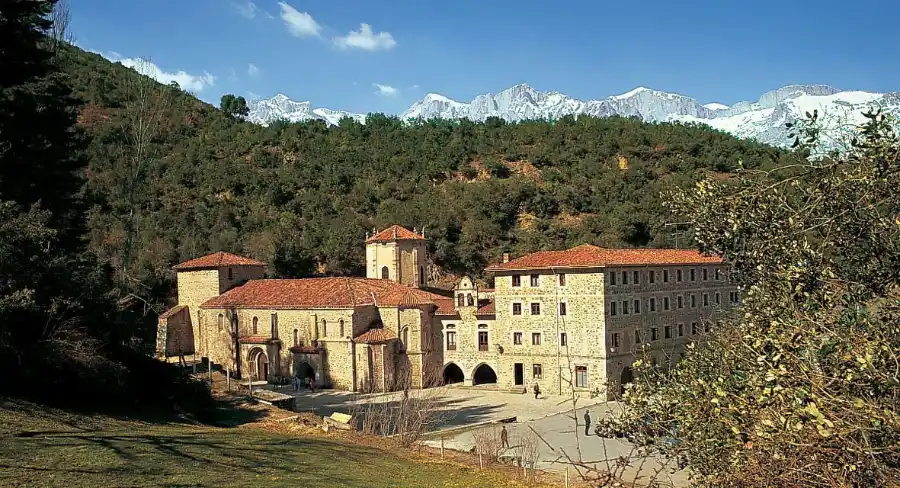
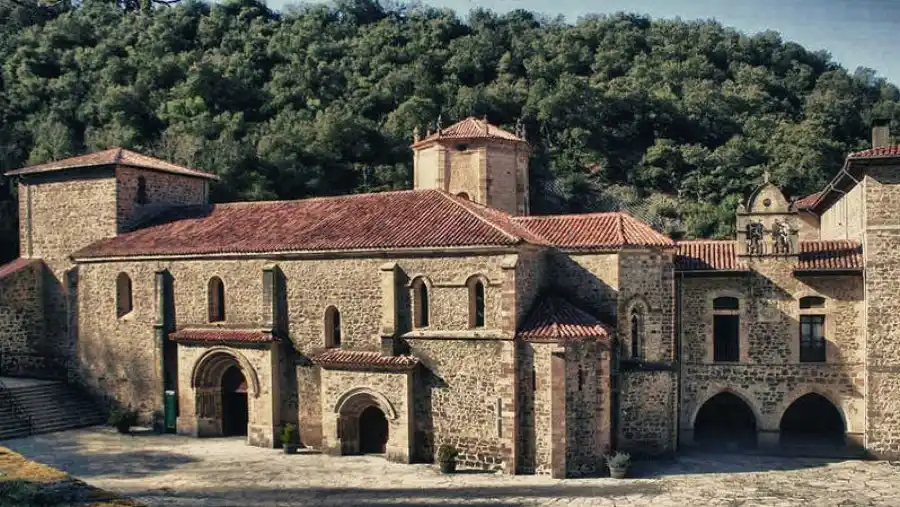
This Sunday, April 23, 2017, the Door of Forgiveness will be opened at the Monastery of Santo Toribio, marking the beginning of the Lebaniego Jubilee Year. This special year invites thousands of people to walk the route from the Cantabrian coast to the heart of the Picos de Europa, offering a unique opportunity to experience Cantabria in a different way throughout the year.
When is it celebrated?
This Jubilee Year is celebrated every time April 16th, the Day of Saint Toribio, falls on a Sunday. It hasn’t been held since 2006, and this will be the 73rd edition.
Since 1512, pilgrims have journeyed to this privileged place, home to the largest remaining fragment of the Cross of Christ — the Lignum Crucis. Starting in the Middle Ages, four Holy Years began to be celebrated: the Jacobean Holy Year of Santiago de Compostela, the Lebaniego Holy Year of Santo Toribio de Liébana in Cantabria, and the Jubilee Years of Rome and Jerusalem.
This site is also notable for being linked to another key figure of medieval Western Europe: Beatus of Liébana. This monk went down in history for writing his masterpiece, Commentaries on the Apocalypse of Saint John, the most copied book in all of the Western Middle Ages. Its lasting relevance lies in its rich theological, political, and geographical content, along with its astonishing illustrations — created long before the invention of the printing press. Written during a time of war that plagued the Iberian Peninsula, the book predicted the end of the world in the year 800. Beatus was one of the strongest defenders of original Christian values, standing against the adoptionist heresy upheld by Visigothic institutions.
What is the Jubilee or Holy Year?
The Jubilee or Holy Year is the celebration of a period of forgiveness of sins, associated with a pilgrimage to the relics of a saint of great significance in the Christian world. The route, which begins on the Cantabrian coast, covers 72 km starting in San Vicente de la Barquera, passing through Potes, and ending in the Picos de Europa.
To mark this celebration, several tools have been developed to make the pilgrimage more tech-friendly. A free app has been created for both Android and iOS, containing everything needed to complete the journey: a map, points of interest along the route, recommended places to eat, stage-by-stage tips, and more. The entire route has also been equipped with free Wi-Fi, making it the first pilgrimage route to feature this technology. In addition, webcams have been installed in Potes to check the weather in real time, along with forecasts along the way.
Cantabria 2017
This unique celebration, promoted by Cantabria, is closely linked to the region’s strong commitment to nature and sport — seen in recent years through the hosting of major sporting events such as the Sailing World Championship, the upcoming Kneeboard World Championship, the growing presence of surfing along its entire coastline, the rising number of pilgrims on the Northern Way, and improvements to facilities like the Cabárceno Nature Park (now with a cable car), upgrades to the Cantabrian Maritime Museum, and the renewed focus on the Altamira Caves.
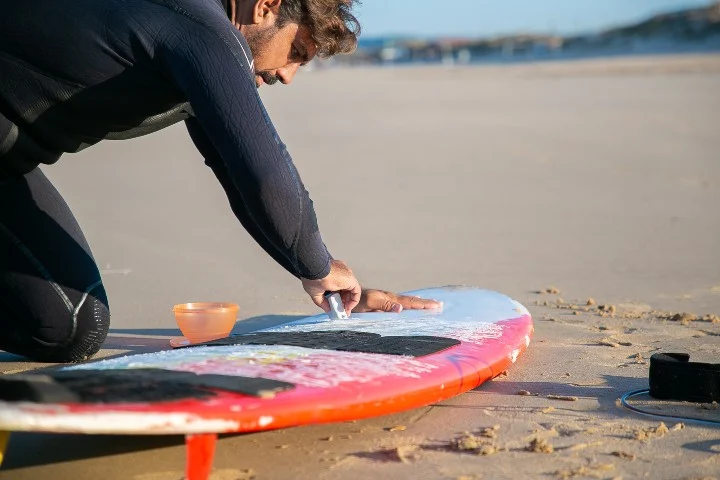
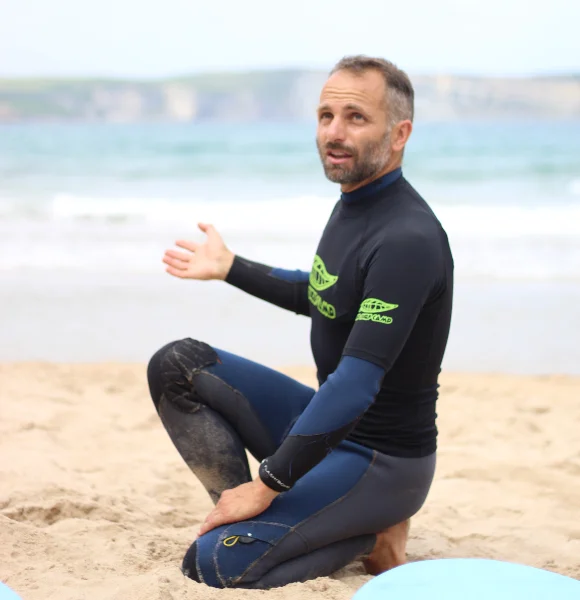
For all these reasons, at Biosurfcamp we fully support this initiative, which encourages outdoor activities in close contact with nature. That’s why we recommend that during this Jubilee Year, you take a few days to enjoy complementary activities along the Lebaniego Way — such as a stop at Cabárceno, a visit to Santillana del Mar and the Altamira Caves, or a surf lesson at Europe’s third officially recognized surf reserve: Los Locos–La Tablía.









0 Comments