


Nowadays, recycling plastic products has become a common concern among everyone, but perhaps even more so among those of us who practice outdoor sports. More and more plastics are ending up in the ocean, and this is a problem when surfing in many parts of the world. We’re constantly hearing about plastic islands stretching tens of kilometers in the middle of the oceans due to the large amount of products we throw into the sea.
Therefore, at our surf school, we want to raise awareness about recycling plastics and reusing them for new purposes. In this article, we’ll list ten tips for reusing plastics and not throwing them away.
Reuse plastic products to avoid polluting the sea
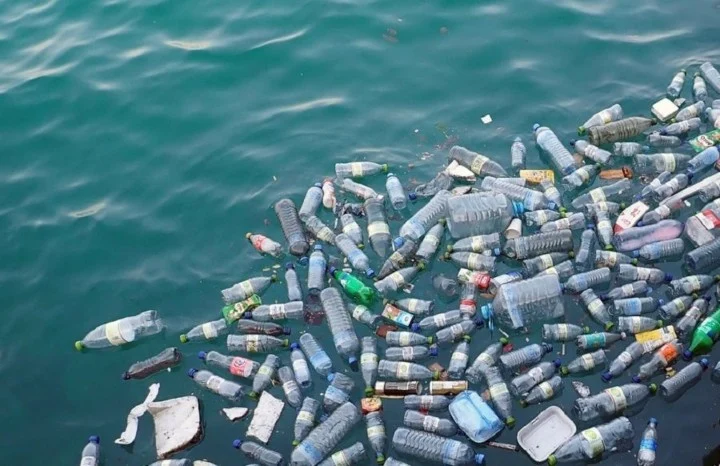
- Bring your own bag when you go shopping. This has become quite common in recent years. Plastic bags have a high environmental cost and are one of the most common forms of litter. The best idea is to have a cloth bag to use every time you go shopping or try asking for paper fiber bags at stores, although it’s fine to reuse the plastic bags.
- Stop buying bottled water. Unless your city or town is at risk of contamination due to the state of the pipes, it’s best to have glass bottles or carafes to store water. If it can be sourced from a natural source, even better.
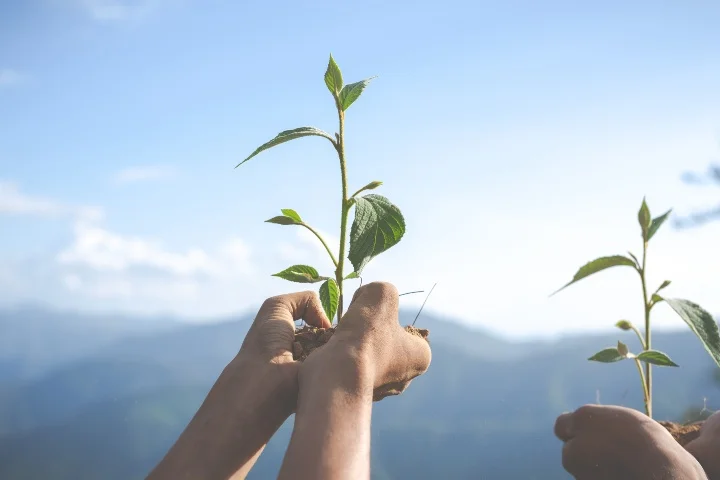
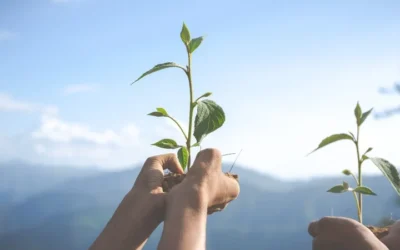
- Reuse PET bottles for a garden on your terrace or patio. If you live in a big city and can’t grow above ground, PET bottles are an excellent pot for planting small fruits like strawberries, tomatoes, etc. In the end, you could have a garden as varied as the one at our surf camp.
- Do not use straws. Whether for use at home or when ordering a drink at a bar, plastic straws are an unnecessary item and result in immediate plastic waste.
- Avoid disposable razors. Instead of throwing away razors after a few uses, it’s advisable to use a fixed razor or even an electric one to avoid wasting more plastic.
- For babies: more cloth, less plastic. If you have a baby, you’ll know how many diapers end up in the trash. There are less polluting options than these products, such as cloth diapers.
- Switch to waste-free menstruation. There are several non-disposable options for women’s periods. In this sense, the menstrual cup is a product that is reused every time the period arrives, with the economic and ecological advantage of only using one unit for several years.
- Buy in bulk stores. In many homes, most plastic waste is generated in the kitchen. One of the best ways to reduce plastic waste is to go to stores that sell products by weight or in bulk and buy only the amount you need. Furthermore, people often go to these stores with glass jars or containers from home.
- For SUP enthusiasts, visit Jairo Lumertz. The Brazilian surfer endorses the idea of creating SUP boards made from PET bottles, as an initiative of the Eco Board project. With this idea, at BioSurfCamp, we encourage everyone to try designing their own board and have a pleasant time on the waves.
- Homemade solar heater with plastic bottles. If you’re a bit handy, we challenge you to try building a homemade solar heater, taking advantage of the fact that plastic bottles have a considerable capacity to absorb the heat of sunlight.







0 Comments