
Surfing is one of the fastest-growing sports throughout Spain. It is a very ancient sport, as we saw in our article “The History of Surfing: Its Evolution and Origins to the Present.” However, despite the centuries of history behind this sport, modern surfing did not experience a revival until the 20th century, taking several years to reach Spain. Today, there are many spots along the Spanish coast where you can try surfing for the first time and get your initial experience with the sport.
Surfing arrived in Spain between 1963 and 1965, emerging independently but almost simultaneously in different parts of the peninsula. The history of surfing in Spain is rooted in Asturias, Cantabria, the Basque Country, and Cádiz, which were the first areas where the sport developed. A few years later, surfing also began to be practiced in the Canary Islands.
First surfboard in Spain
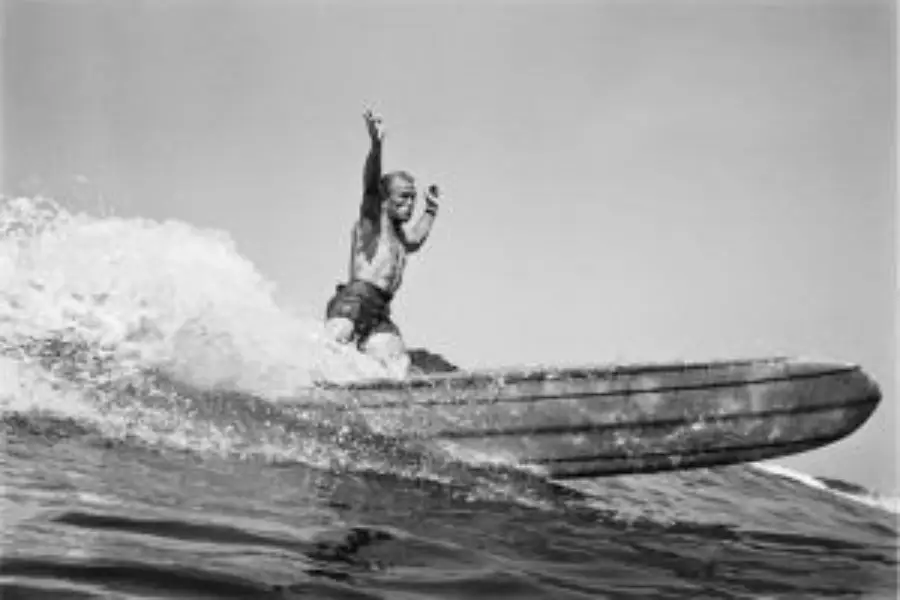
Before the first Spanish surfers appeared around 1963, there were already those who dared to surf in our country. The first surfboard to arrive in Spain was in 1957, brought by Peter Viertel. The American Peter Viertel, screenwriter of the film The Sun Also Rises (known as Fiesta), shot in Pamplona, decided to bring some of his boards from the United States along with one of his film equipment shipments. Thus, he began practicing the sport in southern France, in Biarritz.
This was the first surfboard seen in our country, and many curious onlookers wanted to know how it was used.
First Spanish surfers: Asturias
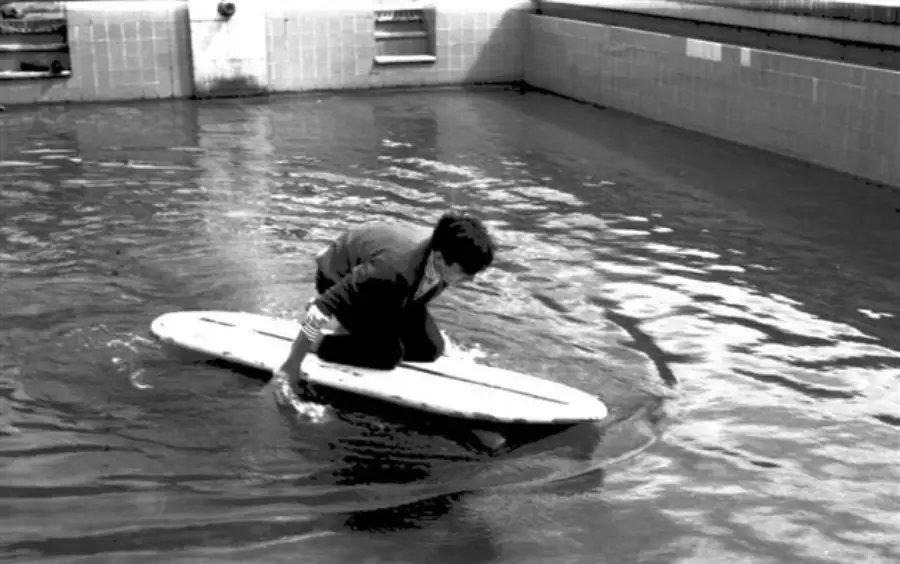
A few years later, in 1962, two young men from Gijón taught themselves to surf using a hand-carved wooden board. Félix Cueto and Amador Rodríguez, as they were called, discovered surfing thanks to the cover of Surfin’ USA, one of the most popular albums by the Beach Boys. It featured a large Hawaiian wave ridden by a surfer, an image that the two boys couldn’t get out of their heads. This inspired the two friends to build their own surfboard—so heavy that only the two of them could carry it—which they experimented with that summer without much success.
During the following winter, Félix built a lighter board following the instructions from an American magazine, Popular Mechanics. That summer, after several attempts, riding white water and falling countless times, it was Amador who managed to surf the first wave while his friend Félix cheered excitedly from the beach. That was the beginning of surfing in Spain.
A documentary called La primera ola (The First Wave) tells the story of these two boys, the first surfers in Spain. It is a 2013 film presented at the Surfilm Festival in San Sebastián. The movie features restored and re-edited archival footage along with numerous interviews with the main pioneers of the sport in our country.
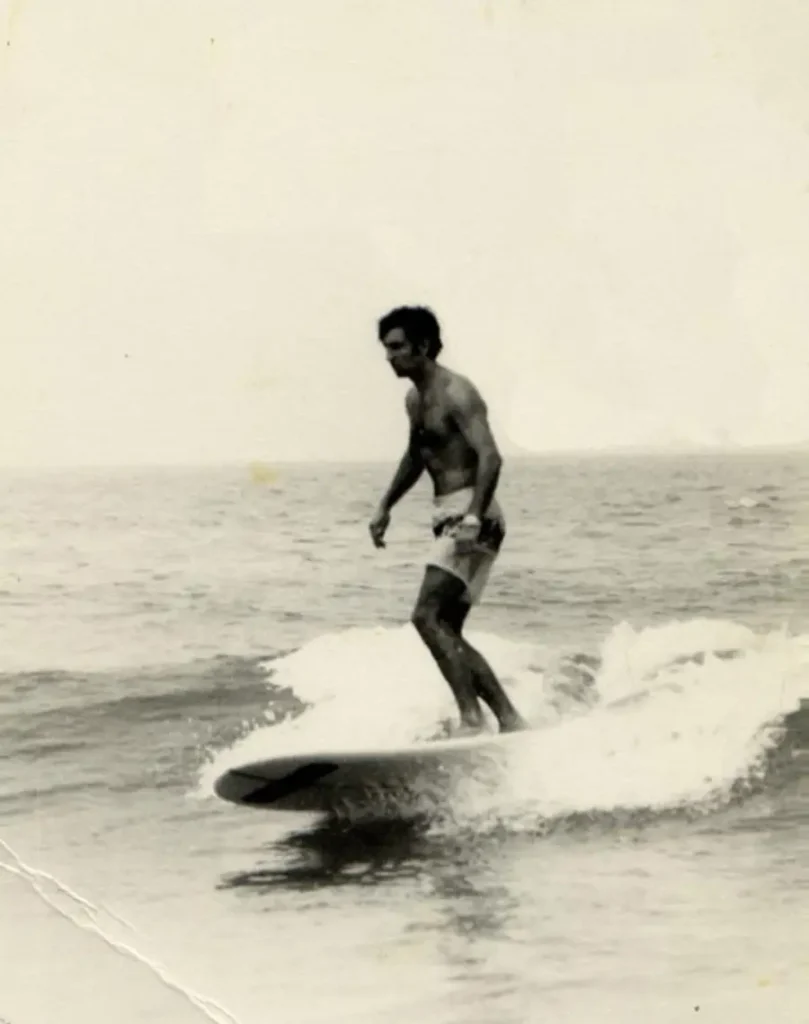
First Spanish Surfers: Cantabria
Jesús Fiochi, a resident of Santander, was one of the first Spanish surfers to try the sport. He is considered the pioneer of surfing in Cantabria. In 1965, after watching a documentary about the waves in Hawaii, he felt inspired and ventured into this world. Shortly after, he ordered a surfboard from a factory in Bayonne. The board came with some basic instructions on how to stand up on the wave, similar to what we teach at Biosurfcamp today.
The next morning, he showed up at El Sardinero beach with the board and a wetsuit lent by a friend to learn how to surf. After several attempts, he managed to ride his first wave, and 50 years later, he still goes into the water daily. Jesús maintained a passionate correspondence with Félix Cueto, sharing stories and adventures for years.
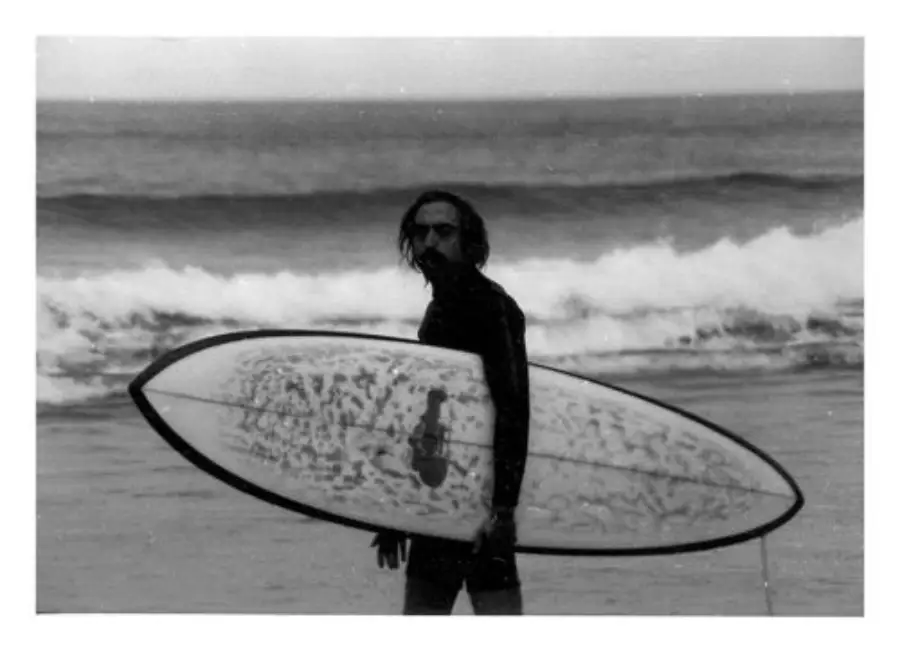
First Spanish Surfers: Basque Country
Nito Biescas, a pioneer from Zarautz, took to the sea in 1967 despite not being a strong swimmer and having little knowledge about tides. Nito was convinced that surfing was possible on that beach—and he certainly proved it. During the winter, while studying in Barcelona, he thought about surfing and the upcoming summer. He organized a surfing competition in Zarautz that gained great popularity and turned the sport into a distinctive feature of the town, complete with its own Hawaiian-themed celebration. The tournament and subsequent festivities marked a milestone in the history of surfing in Spain.
The surfer aesthetic—with bikinis for women and bare chests for men—clashed with the conservative norms of Spain at that time. Thus, surfing can be considered one of the triggers for a shift in mentality in the country and for the development of many coastal areas.
Creation of the National Surf Section
In 1969, the first official federation structure for the sport emerged: the National Surf Section. It was quickly organized at a federative level, becoming a leader in Europe and receiving significant state support compared to other pioneering European countries like France, the United Kingdom, or Ireland. Due to restructuring of Spain’s ministries, the National Surf Section was dissolved in 1985 and wasn’t re-established until 1997, an organization that continues today.
This is the story of surfing in Spain. Similar stories unfolded throughout the rest of the country: In Galicia, several surfers from Asturias first tried the local beaches, inspiring many local Galician surfers who still ride waves today. In Andalusia, materials for building and maintaining surfboards were brought from Morocco. Additionally, the Canary Islands experienced a later but much more rapid development of surfing, with a huge growth fueled by numerous foreign surfers choosing to explore its prized, paradisiacal coasts.





0 Comments