


The world of surfing is constantly growing globally. To practice this sport, all you need is a surfboard and a beach with waves, although there are additional surfing materials that can enhance your experience. But what is surfing? Where did this sport originate? What types of surfing are there? Keep reading to learn more about this amazing world.
The first thing we need to be clear about is what surfing is. According to the RAE (Royal Spanish Academy), surfing, from the English “to surf,” is “a water sport that consists of maintaining balance on a special board that moves over the crest of waves.”
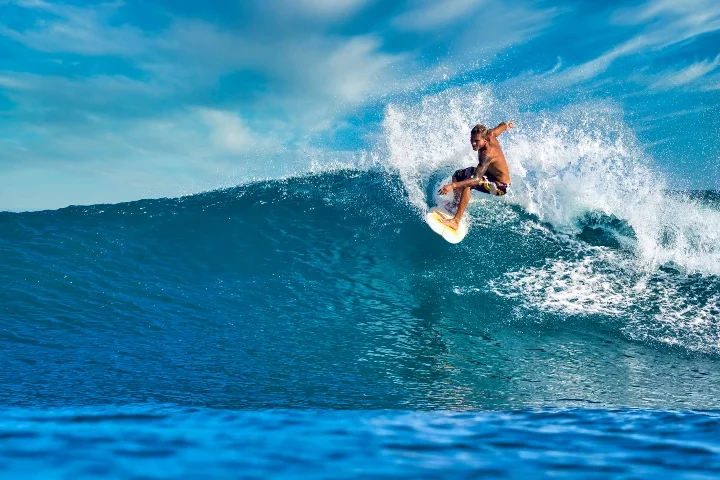
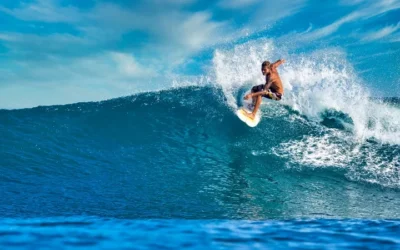
Therefore, surfing is essentially defined as a water sport that involves gliding on a board over the waves. This may seem simple so far, but the core of surfing is to stay on the board for as long as possible. This way, we can stand up on the board, ride the wave walls, and perform various maneuvers, turns, or tricks using the power of the waves.
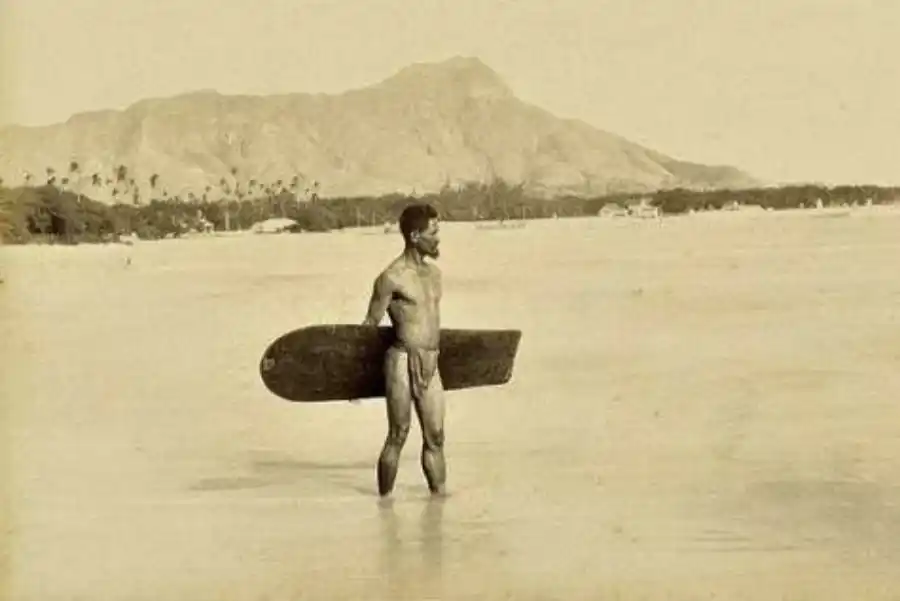
Surfing is a very ancient sport with no exact certainty about its origin. Around 500 years ago, different explorers reported its practice in the Polynesian islands. The first recognized contact with surfing dates back to 1778 in the Hawaiian Islands. This contact came through the exploration of British Captain James Cook. If you want to learn more about the birth of surfing, don’t hesitate to read our article “The History of Surfing: Its Evolution and Origins to the Present.”
Variations and Types of Surfing
This sport has many variations, among which several types of surfing stand out:
Surf
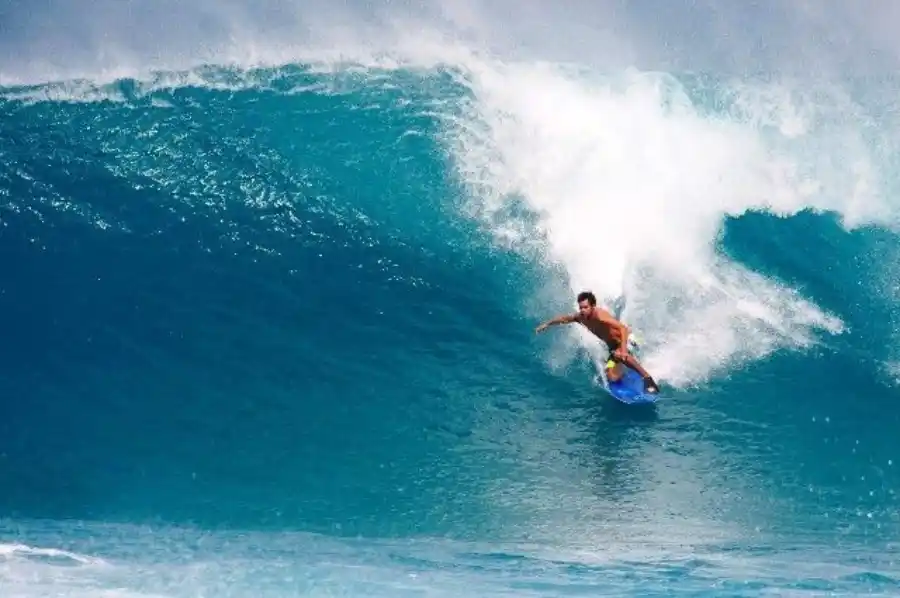
The surfing we discussed earlier also has variations within the discipline. Classic surfing is based on paddling into a wave, standing up, and performing a series of turns, maneuvers, and tricks, thanks to the wave’s push. It is a sport in constant evolution that continues to gain followers. There are three categories depending on the type of surfboard used:

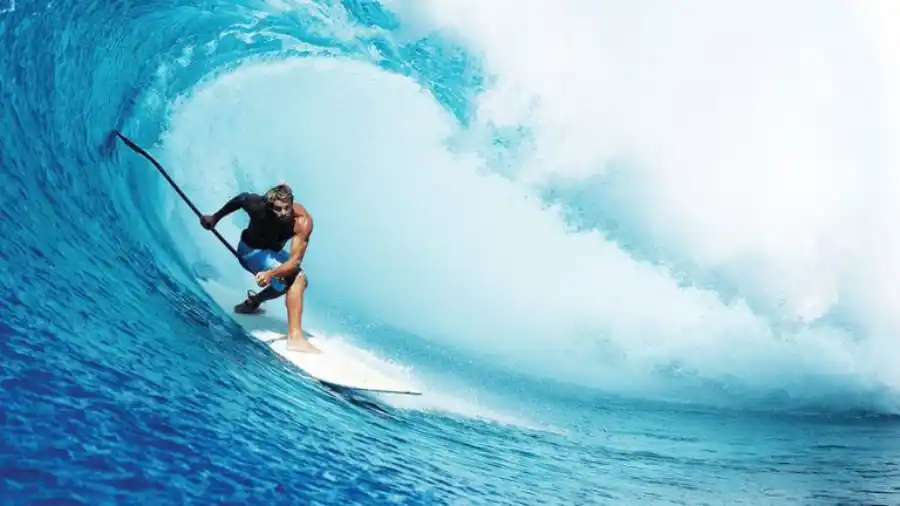
Paddle surf/SUP
Born in the 1960s, it is one of the fastest-growing surfing disciplines today and one of the most recent. This sport consists of standing on a long, high-volume board while using a paddle. This allows you to increase speed and maneuver easily by using the paddle as a rudder. Paddle surfing has evolved into a sport not only for waves but is now also used for paddle routes along beaches, cliffs, rivers, reservoirs, and countless other places.
Bodyboard
Another well-known variation of surfing involves using a smaller board without fins, known as bodyboarding. The bodyboard is made of hard foam, and fins are commonly used to gain more speed on the waves. Within this type of surfing, there are three modalities:
- Prone: In this bodyboarding style, you lie completely flat on the board. It is the most typical variation.
- Drop-knee: This variation involves riding with one knee on the board while the other leg is bent.
- Stand up: This style resembles surfing with a shortboard, as it involves standing up on the bodyboard.
Bodysurf
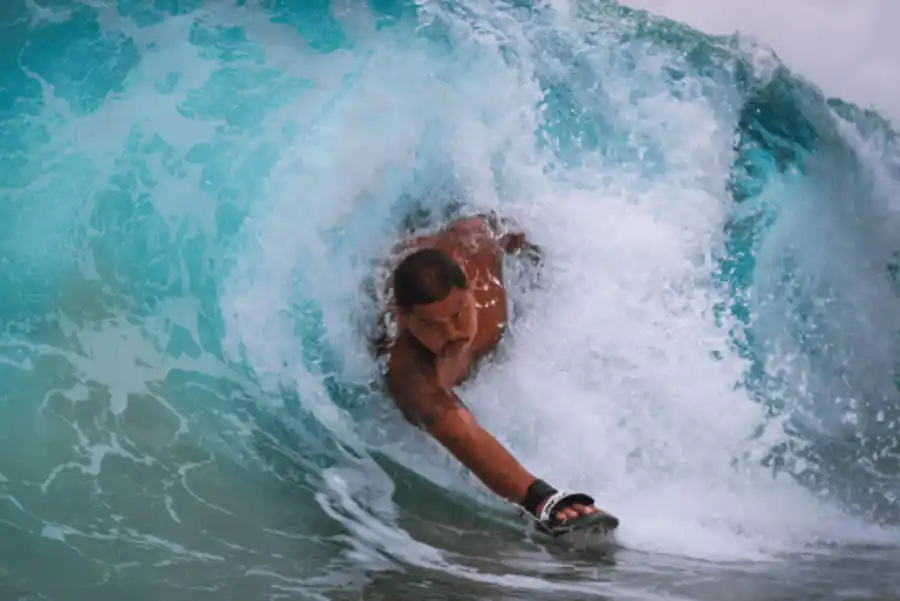
It could be said that this is the father of surfing and all its variations. In this sport, unlike the others, no board is used. Instead, only fins and our own body are employed to gain speed using the power of the waves. Although “handboards” — small boards attached to the hands to increase surface area on the wave — can be used, the sport is not as simple as it seems. There is no support to rest on, relying entirely on physical condition and strength.
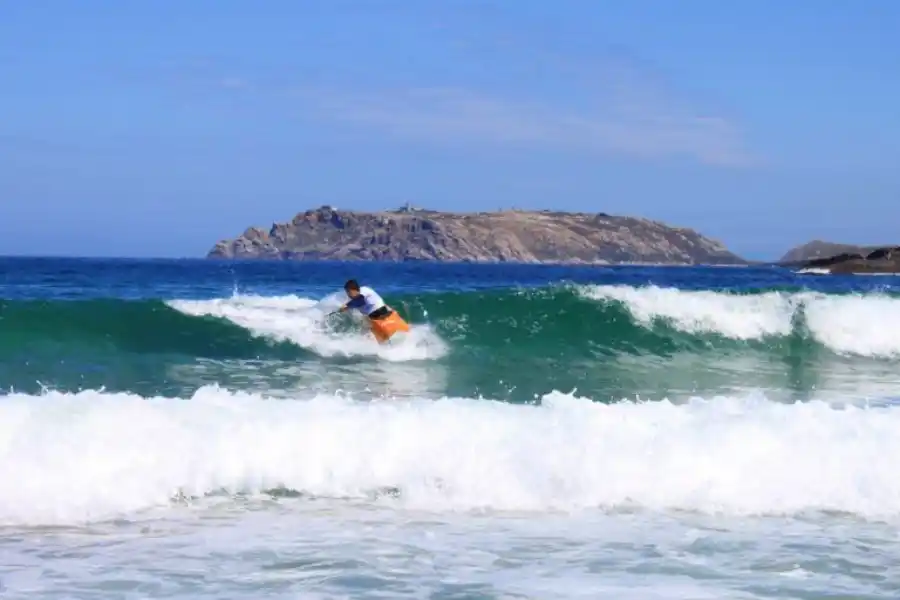
Kayak surf
A blend of two of today’s trendiest sports — kayaking and surfing — creates this unique variation called kayak surfing. Although still not widely practiced on our beaches, it is beginning to grow in popularity. Seated in the kayak, this sport offers great maneuverability, as the kayak glides easily over the waves. With the help of the paddle, it allows for sharp turns, speed boosts, and impressive maneuvers.
Kitesurf
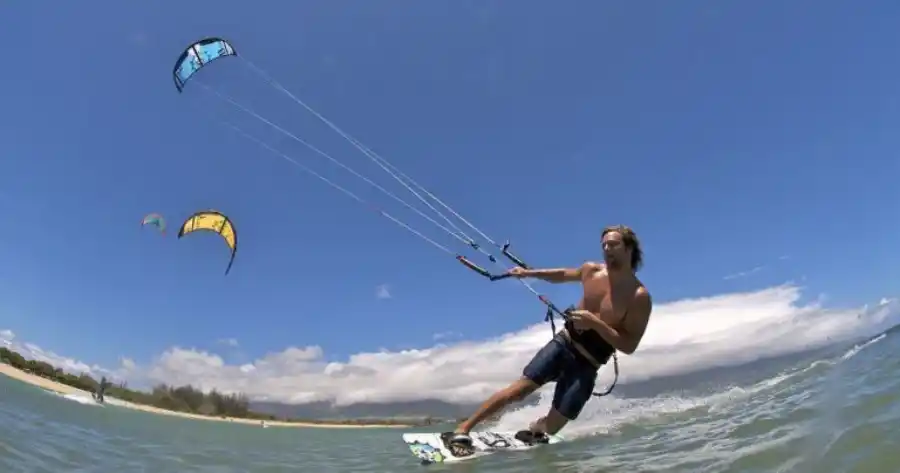
Kitesurfing is a sport where, on a surfboard or skis, and using a kite powered by the wind, you can perform jumps, maneuvers, and turns. This variation is common in places where wind dominates and waves are minimal. Because of this, it’s not only practiced on beaches but also stands out in lakes, reservoirs, and dams with strong wind gusts, such as the Ebro Reservoir in Cantabria.
Windsurf
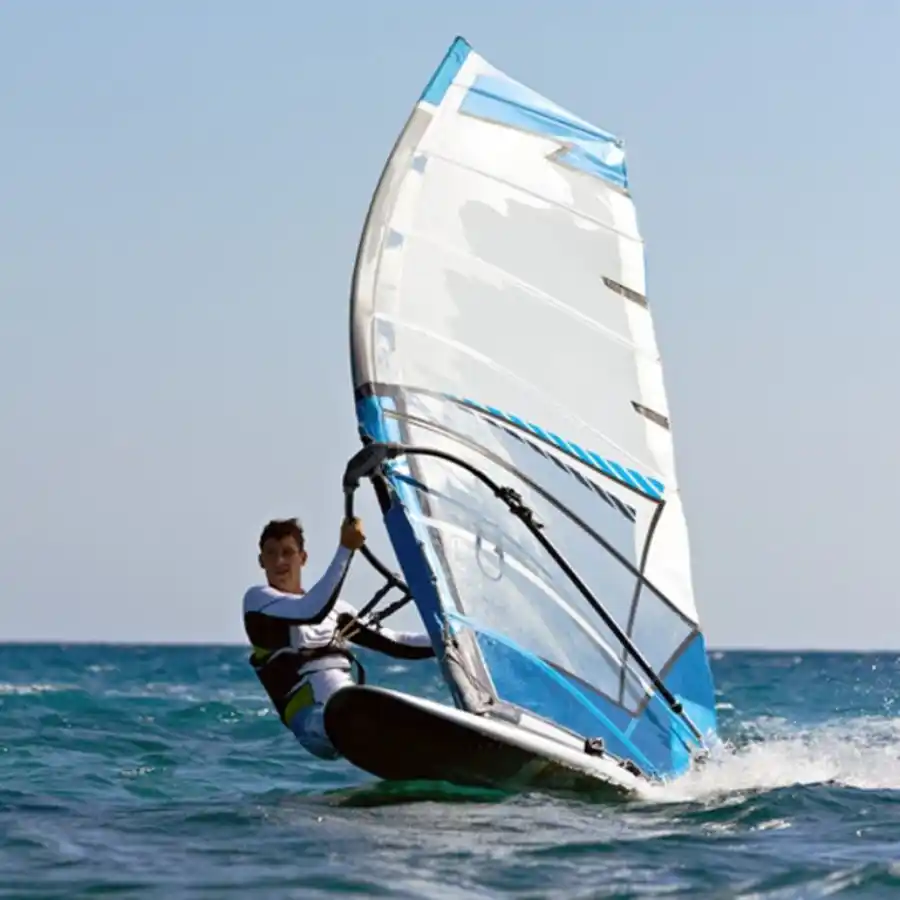
If we’re talking about combinations, taking a board and a sail gives us windsurfing — a sport that combines a sail mounted on a board quite similar to a surfboard. The sail is hinged, allowing full rotation on its axis, so you can steer the board in any direction you want. This design enables you to fully harness the wind’s direction and perform unique maneuvers. Therefore, it’s a challenging sport because you must maintain complete balance at all times, staying alert to gusts of wind and the space around you.
Skimboarding
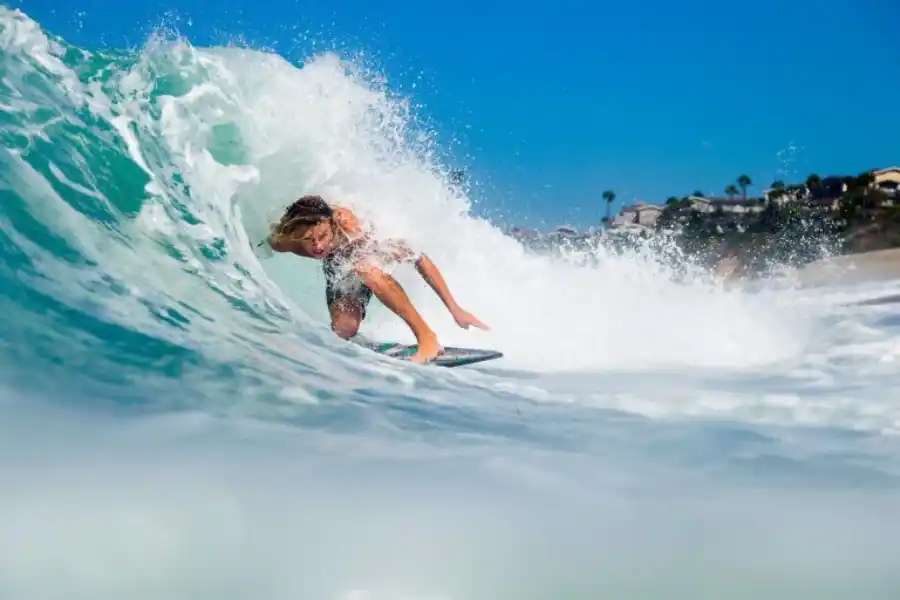
Many variations of surfing come from blending it with another sport. In this case, skimboarding arises from a mix of surfing and skateboarding. Naturally, it doesn’t mean simply adding wheels to a surfboard.
To practice skimboarding, you start just steps from the shoreline, holding a very light and sturdy fiberglass board in one hand as you wait for a wave. When a good-quality shore break wave approaches, you run toward it while throwing your board perpendicular to the wave and jump onto it.
This surfing style requires great precision and skill to control the timing of the wave. However, it also allows for amazing tricks.
These are some examples of different types of surfing. Which type of surf do you like the most? Which of these surfing styles would you like to try? Do you think we’ve missed any variations? What do you think will be the next new creation?





0 Comments