

In this article, we’re going to introduce you to the 10 most beautiful villages along the coast of Cantabria.
The 10 Most beautiful Villages in Cantabria
Since it’s very difficult to make a list to determine which one is the most beautiful, we’ve decided to arrange them from east to west. That way, we place them all on equal footing and leave it up to you to decide which village is the most beautiful.
1 – Castro Urdiales
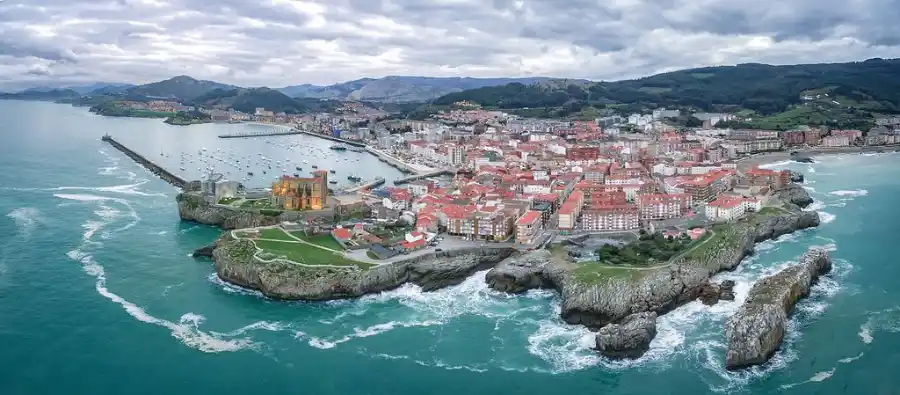
This village, located right on the border with the Basque Country, is home to a fascinating historic center worth exploring. Castro-Urdiales is an ideal place to get lost, wandering through its charming narrow streets. This network of alleyways is lined with wide arcades and small balconies that give the town a labyrinth-like feel. All the streets lead to the Town Hall, which is also the best area to enjoy the region’s rich gastronomy.
Its remarkable cultural heritage is crowned by the Church of Santa María de la Asunción, the most important Gothic building in the entire region. Inside, it houses an altarpiece of Christ in Agony believed to be linked to Zurbarán. Next to it stands the Castle of Santa Ana, a fortress of the Knights Templar, built in the 13th century. To reach this area, you must cross the village’s medieval bridge.
Beyond its cultural heritage, this small fishing village is also known for some of Cantabria’s most iconic festivals, such as Coso Blanco — a nighttime parade of floats made from tissue paper, held during the summer. Another standout is the Living Passion at Easter, declared a national event of tourist interest, making Castro-Urdiales one of the few places in northern Spain to hold that distinction.
2 – Laredo
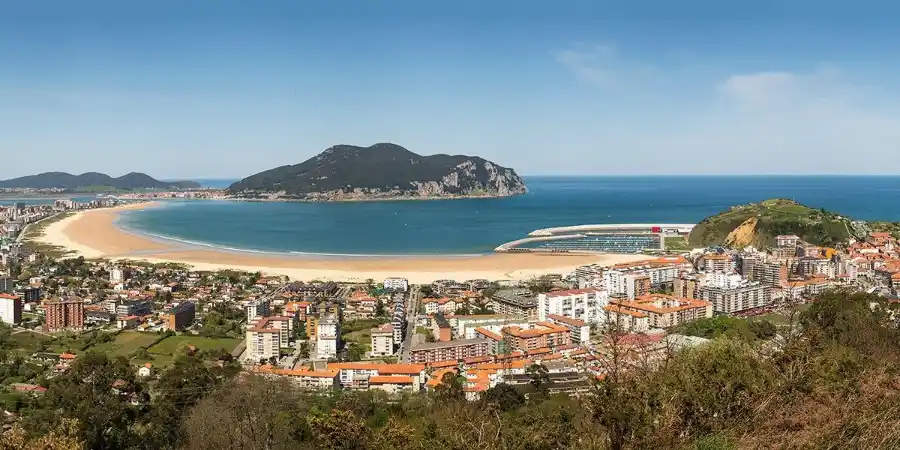
The town of Laredo has two main beaches: on one side, Regatón Beach, and on the other, the famous Salvé Beach. Salvé Beach is the longest beach in Cantabria and proudly bears the Q for Quality certification for the excellence of its waters. Located in the vast bay of Laredo and Santoña, it is one of the region’s most popular summer destinations.
The town is divided into several areas: La Puebla Vieja and El Arrabal, the Ensanche, and its extension to El Puntal. The first of these, dating back to the Middle Ages, forms the historic center of the town. Here you’ll find the Church of Santa María de la Asunción, a Cistercian-style building. Further on, in the Ensanche and its extension, is the commercial hub and the area where most tourist accommodations are located. Between these two parts are the town’s two ports.
One of the town’s most notable events is the popular festival “La Batalla de las Flores” (The Battle of Flowers) — a parade of floats decorated entirely with flowers that fills the streets of this beautiful Cantabrian town. The stunning artistry of these floral creations draws visitors from all over the world, earning the festival the distinction of Event of Tourist Interest.
3 – Santoña
When we hear the name Santoña, one word immediately comes to mind: anchovies. Santoña is one of the most traditional fishing villages in northern Spain. It’s from here that the boats set sail to bring back the famous Santoña anchovies, made even more popular by Miguel Ángel Revilla.
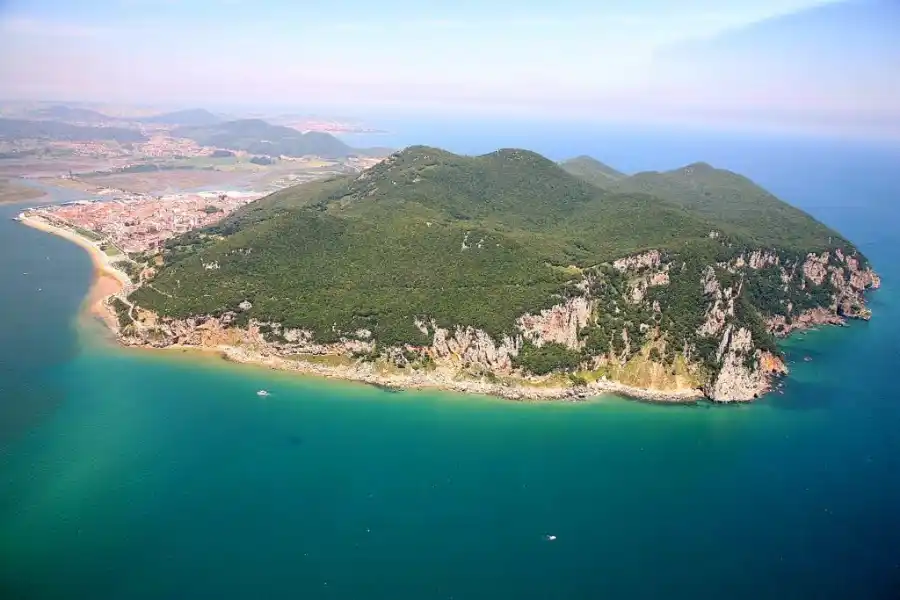
The second word we associate with Santoña is marshlands. The Santoña Marshes Natural Reserve is a protected area due to its unique ecosystem. It’s an important stopover point for many migratory bird species and is home to a wide variety of permanent flora and fauna. Around the marshes are several hiking routes, as well as paths around Mount Buciero. One of the most striking routes is the Faro del Caballo trail, which ends in a dramatic descent down a cliffside with more than 800 steps.
Berria Beach is a wide stretch of sand located near the town center, offering a unique view with Mount Buciero on one side. The bay of Santoña and Laredo is completed by the fishing port and seafront promenade.
Last but not least, the third word that defines Santoña: Carnival. The Santoña Carnival is its most eye-catching festival, declared a National Tourist Interest Festival, and is known for its strong maritime themes. Without a doubt, it’s one of the must-see celebrations in Cantabria.
4 – Noja
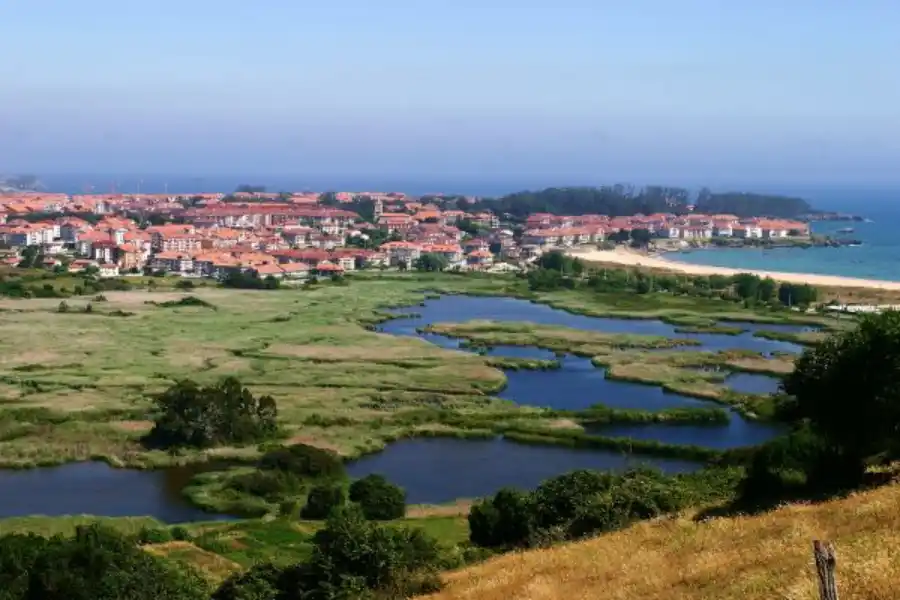
Noja is located along the Quejo estuary and is a coastal town whose main tourist attraction is its long stretch of beaches. The most prominent are Tregandín Beach (4.4 km) and Ris Beach (2.5 km). Both beaches stand out for their fine sand and the small islands with lush vegetation that appear just offshore.
As a result, Noja grows significantly during the summer months, when most of its local festivals take place. Notable celebrations include San Juan on June 24th, San Pedro on June 29th, Our Lady of Mount Carmel on July 16th, and San Emeterio and San Celedonio on August 30th and 31st. The town is known for its lively nightlife on weekends and Tuesdays, with themed parties popular among locals and visitors from nearby provinces.
The Church of San Pedro is the main landmark in its small historic center. Located at the highest point in town, it draws attention with its distinctive Baroque-style bell tower. Other cultural highlights include several historic buildings such as the Venero Manor House, the Garnica House, and the Velasco House.
5 – Suances
Suances is one of the most important summer towns in all of Cantabria. It’s especially known for its excellent surfing conditions, with six beaches, three of which are suitable for surfing. Thanks to their different orientations at the beaches of Suances, it’s easy to find good waves on almost any day of the year.
Los Locos Beach, declared in 2012 the third Surf Reserve in Europe due to the exceptional quality of its waves for surfers of all levels, is one of the most natural beaches in Cantabria, completely surrounded by cliffs. La Concha Beach, about 1 km long, offers good waves for beginners. Another surfable beach is La Tablía, rated 10/10 by the 2016 Surf and Skate Guide. This makes Suances a popular spot for beginner surf courses.
The most important local celebration is the Fiesta del Carmen. Throughout the summer, Suances hosts a wide range of events: beach volleyball, beach rugby, and beach handball tournaments, as well as gastronomic festivals. In addition, themed nightlife parties are held every Wednesday and Saturday across the town.
Culturally, Suances’ historic center offers a distinctly maritime atmosphere. Noteworthy landmarks include the Town Hall, the Church of Our Lady of the Cliffs (Nuestra Señora de las Lindes), a 17th-century temple, and the lighthouse. From the lighthouse at El Torco viewpoint, visitors can enjoy the best views of the town.
6 – Cóbreces
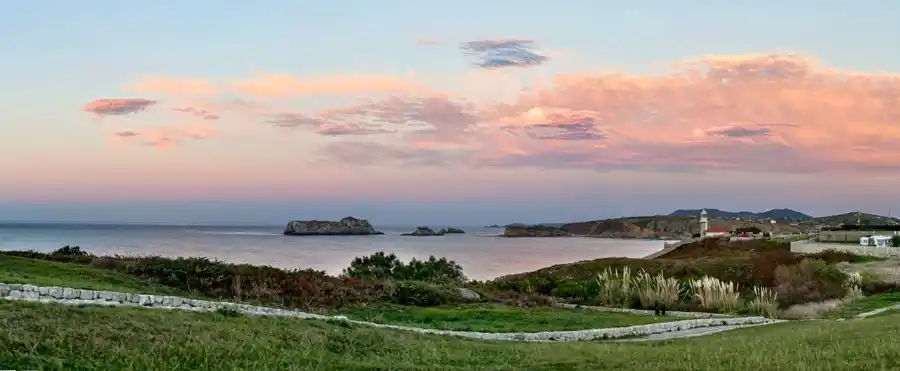
Cóbreces is the kind of village that feels far from everything — yet close to it all. From this small town, you can easily reach Cantabria’s main tourist destinations while also enjoying peace, nature, and a break from the crowds. Cóbreces offers one of the most unique landscapes in Cantabria, featuring a beautiful Cistercian abbey and a massive church.
The abbey, built in neo-Gothic style in the early 20th century, is a reinforced concrete structure. Here, the Cistercian monks produce the famous Cóbreces cheese — a cow’s milk cheese known for its strong flavor and surprising sweetness. Right next to the abbey stands the Church of San Pedro Advíncula, notable for its impressive towers, which rise nearly 40 meters high and can be seen from afar.
The local beach, known as Luaña Beach or Cóbreces Beach, features fine sand and is about 70 meters wide. Towering above it is the stunning El Bolado cliff. This is one of the most beautiful natural beaches in Cantabria — a different kind of paradise, far from the crowds, perfect for those seeking disconnection and relaxation.
7 – Comillas
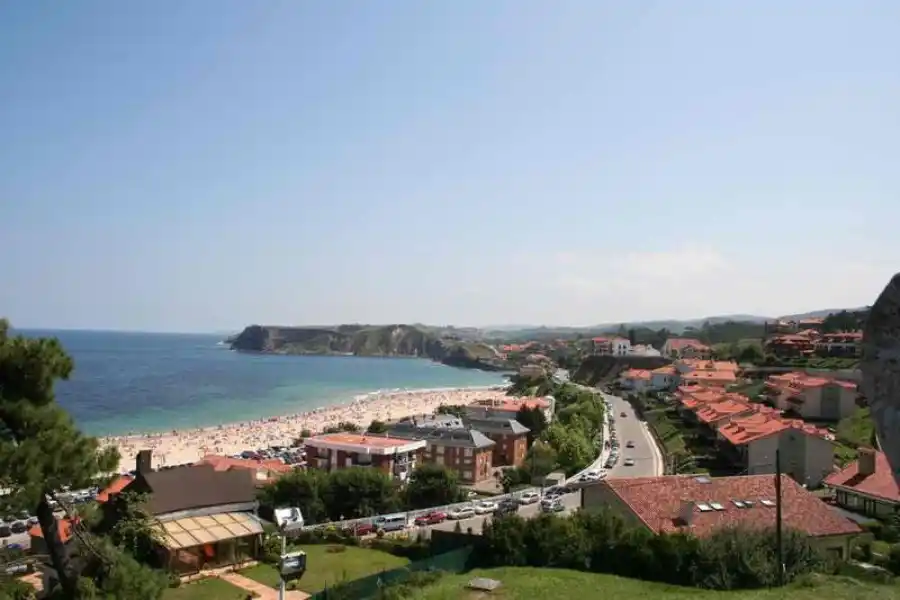
Comillas is one of the towns with the richest and most diverse cultural heritage in all of northern Spain. It is considered Cantabria’s modernist town par excellence, home to several highly valuable architectural works.
The most famous building in Comillas is El Capricho by Gaudí — a modernist house designed by the renowned Catalan architect. Visiting this house is a must on any trip through Cantabria, as it is one of only three Gaudí works located outside of Catalonia, along with the Episcopal Palace of Astorga and Casa Botines in León. Admission includes a guided tour that reveals the hidden secrets and curiosities Gaudí embedded in the design.
Right next to El Capricho is the Sobrellano Palace, a neo-Gothic masterpiece designed by Joan Martorell. Inside, you’ll find furniture pieces by Gaudí himself, who was Martorell’s student at the time. Another highlight in this part of town is the Chapel-Mausoleum, commissioned by the Marquis of Comillas.
Overlooking the town is the Pontifical University, established to promote and teach Hispanic language and culture. From there, you can see Comillas Beach, which is part of the Oyambre Natural Park due to its ecological value. The university also offers a unique viewpoint over the Comillas cemetery, guarded by its striking Angel of the Last Judgement statue.
8 – San Vicente de la Barquera
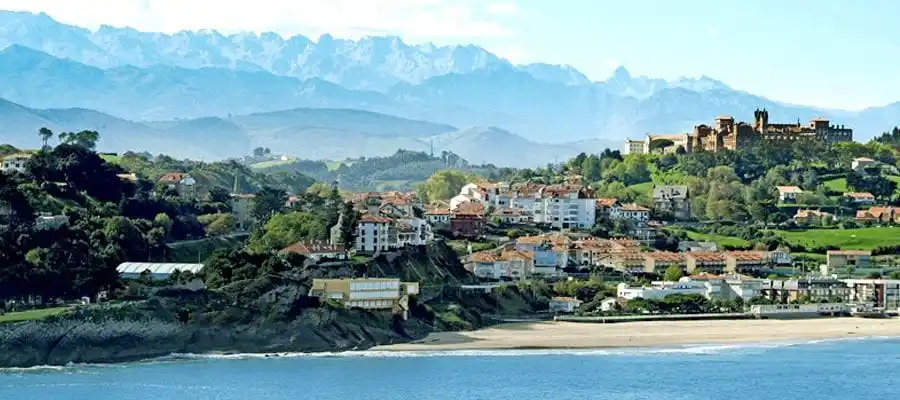
This beautiful fishing village, located right next to the border with Asturias, has a lifestyle deeply connected to the sea, as reflected in its traditions, customs, and most popular festivals. Fishing has always been one of the town’s main economic activities, alongside tourism.
To reach this coastal town, you must cross the Puente de la Maza, a symbol of the village that offers a magical view of the area. This bridge is one of the most significant engineering feats of the medieval period, stretching over 500 meters in length. (One local tradition is to make a wish and cross the bridge without breathing.) A walk through the old town, or Puebla Vieja, takes you back to the Middle Ages with its labyrinth of narrow streets.
Among its architectural gems is the Church of Santa María de los Ángeles, one of the finest examples of Gothic architecture in Cantabria. Built between the 13th and 16th centuries, the church features a beautiful 19th-century bell tower and two Romanesque-style doorways.
Another must-see monument is the Castle of San Vicente, also known as the King’s Castle. Declared a Site of Cultural Interest, it was built in the 13th century and still preserves part of the medieval wall that once surrounded the town.
From San Vicente, visitors can enjoy the Oyambre Natural Park, which stretches between the San Vicente and La Rabia estuaries. This park offers a unique combination of landscapes — cliffs, beaches, rivers, marshlands — and a wide range of flora and fauna.

9 – Pesues
Pesués is an area where rural tourism has become the main attraction, offering a wide range of exciting activities that appeal to all kinds of visitors. You can enjoy extreme sports such as canoeing or rafting, while those seeking peace and relaxation will also find their space, with beautiful spots to disconnect and unwind.
The village also stands out for its fishing activity, as it lies between the two “Tinas”: Tina Mayor and Tina Menor, the estuaries of the Nansa and Deva rivers. This area is known for the high quality of its seafood and fish.
Pechón Beach, with its unique viewpoint, is a dream location for photography lovers. The surrounding area also offers multiple nature trails perfect for getting lost in the landscape. These hidden corners are the special details that make this small yet rich Cantabrian village so unique.
10 – Santillana del Mar
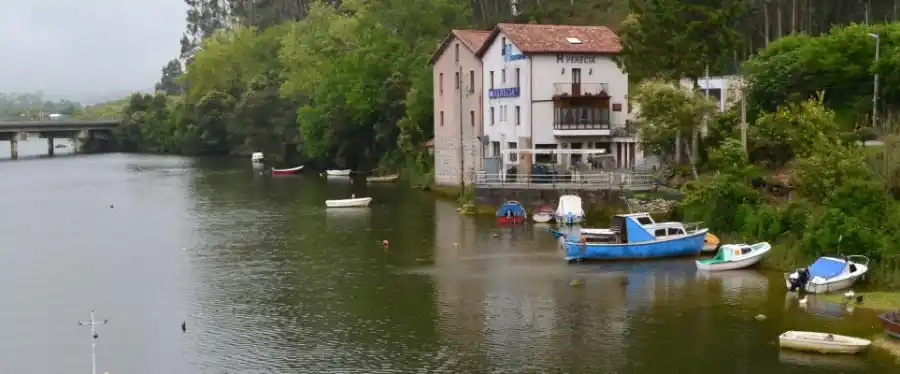
And finally, we come to the “town of the three lies” — because it’s neither Santa (holy), nor llana (flat), nor does it have a mar (sea). We’ve included it because, while not strictly a coastal town, it is one of Cantabria’s main tourist destinations and it does have its own “beaches” — Santa Justa and Ubiarco, just a few kilometers away.
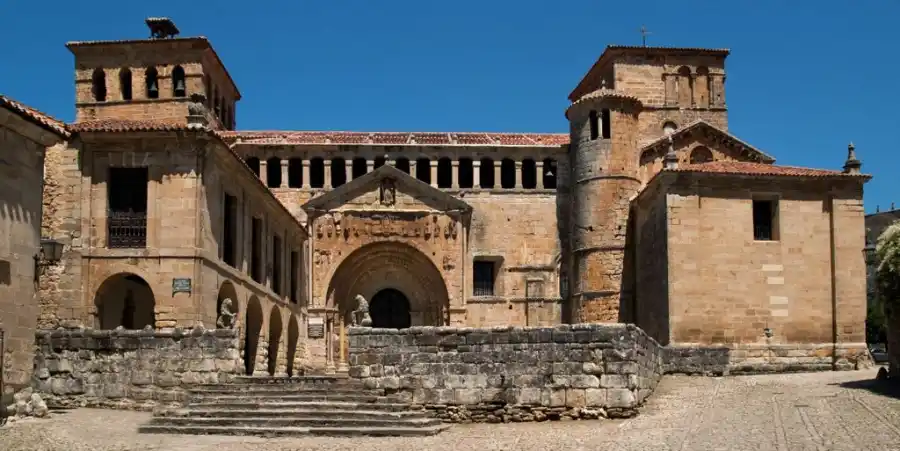
This is a medieval village with cobbled streets, where walking around feels like stepping into another era. The main attraction is the Collegiate Church of Santa Juliana, a Romanesque construction from the 12th century and declared a Site of Cultural Interest. It features a distinctive cylindrical tower and a stunning Gothic-Flemish altarpiece.
The town is surrounded by craft workshops, traditional products, and handmade souvenir shops. Its stone manor houses, adorned with beautiful medieval coats of arms, and the Plaza de las Arenas stand out. In this square, you can admire several traditional houses that preserve the classic wooden balconies characteristic of mountain architecture.
But Santillana del Mar is known not only for its heritage — it’s also home to the “Sistine Chapel” of cave art: the Altamira Caves. These are considered the most important prehistoric cave paintings in the world. Due to the delicate condition of the original paintings, the cave is closed to the general public (only a few people per year are allowed to visit). For everyone else, there is the Neocave, an exact replica, which along with the Altamira Museum, allows visitors to take a true journey back to Prehistoric times.
And after witnessing so much beauty in just a couple hundred kilometers… Which is your favorite village to visit in Cantabria?








0 Comments